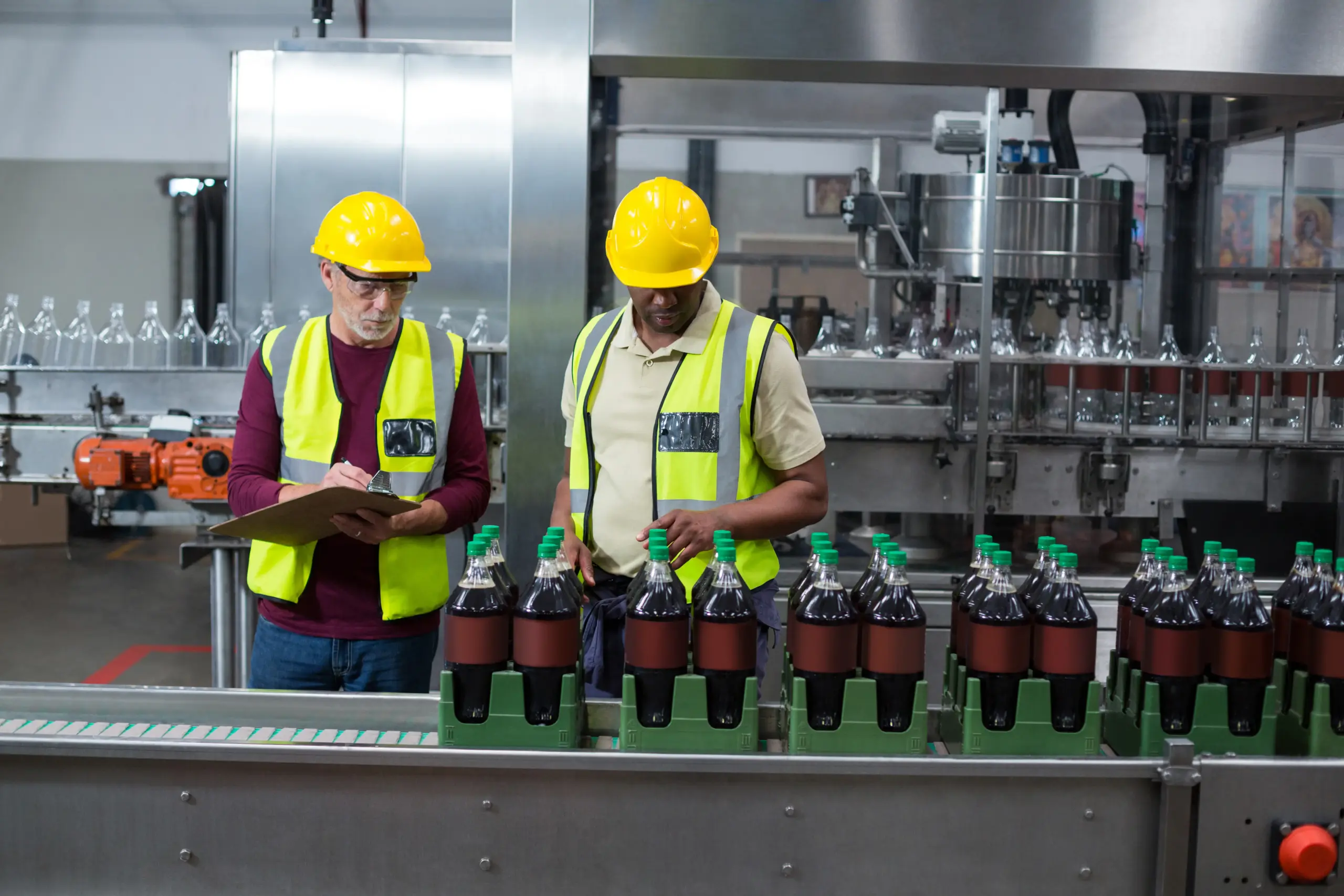

When conducting a LCA, it is crucial to consider a series of stages within the methodology, to ensure the process is manageable, accurate, and meets the expectations of stakeholders involved in its procurement.

Establish the purpose and boundaries of the LCA study.
Gather the data associated with the product or service including materials, energy, water, emissions and waste.
Evaluate the environmental impact of the product or service based on the LCA data, considering your selected impact categories such as climate change, resource depletion and toxicity.
Interpret the results of the LCA and communicate them effectively to stakeholders, identify inefficiencies and deliver a set of improvement actions.





Check out some of our recent projects to learn more about our diverse experience.

The Brief Biomara, a company focused on the production of…

The Brief Sarstedt International is a global supplier of medical…

The Brief Over the past eight years, WRM has been…


I was very happy with the service that WRM provided when assisting the Trust to develop our Green Plan. They carried out a thorough assessment of carbon emissions and provided a pathway to allow us to meet the challenge of achieving net zero. The consultants involved in the project were highly knowledgeable and extremely professional.