Green Gas Support Scheme Update (10 December 2025)

What happened?

On 10th December 2025, the Department for Energy Security & Net Zero (DESNZ) provided a much-anticipated update on the extension of the Green Gas Support Scheme (GGSS).

New regulations are expected to come into effect in early 2026 to extend the commissioning deadline of the Green Gas Support Scheme (GGSS) from 31 March 2028 to 31 March 2030.


What is the GGSS?

The GGSS is a tariff-based mechanism aimed to encourage the use of AD biomethane plants and increase the injection of green gas into the gas grid. The GGSS provides AD operators with tariff payments for eligible biomethane injected into the gas grid. Once a participant has a tariff awarded and is fully registered on the scheme, they will receive this tariff throughout the GGSS payment period. The tariff rates are updated for inflation every year on 1 April based on the previous calendar year’s CPI inflation figure. The GGSS provides a tariff guarantee and certainty on GGSS revenues, supporting investment in new AD facilities.


Considerations for new GGSS applications

While this extension will be subject to the standard parliamentary scrutiny, the aim is to provide new applicants with an additional two years to commission plants, begin injecting biomethane into the gas grid and make their stage 3 application for GGSS registration. Importantly, GGSS applications are split into three sequential stages:

  1. Stage 1: Stage 1 is the initial application for a tariff guarantee. On receipt of a Stage 1 application, Ofgem will confirm whether there is budget available for the project. The deadline for submitting new stage 1 applications will remain 31 March 2028. The information required for a tariff guarantee application includes (but is not limited to):
  • evidence of a signed connection agreement;
  • a description of the equipment used to produce biomethane;
  • where planning permission is required, evidence that it has been granted by the relevant planning authority.
  1. Stage 2: At Stage 2, applicants must provide evidence of ‘financial close’.
  2. Stage 3: This is the final stage, where applicants who have secured a tariff guarantee may apply for full registration on the scheme. In order to be fully registered, the equipment used to produce biomethane must be fully commissioned.

Under the current regulations the standard tariff lifetime is 15 years but if participants commission beyond 31 March 2028, their tariff length will not be extended and will end by 31 March 2043. For example, if an applicant has a commissioning date of 31 March 2030 (the final date possible under the extension), they would receive a tariff lifetime of 13 years.
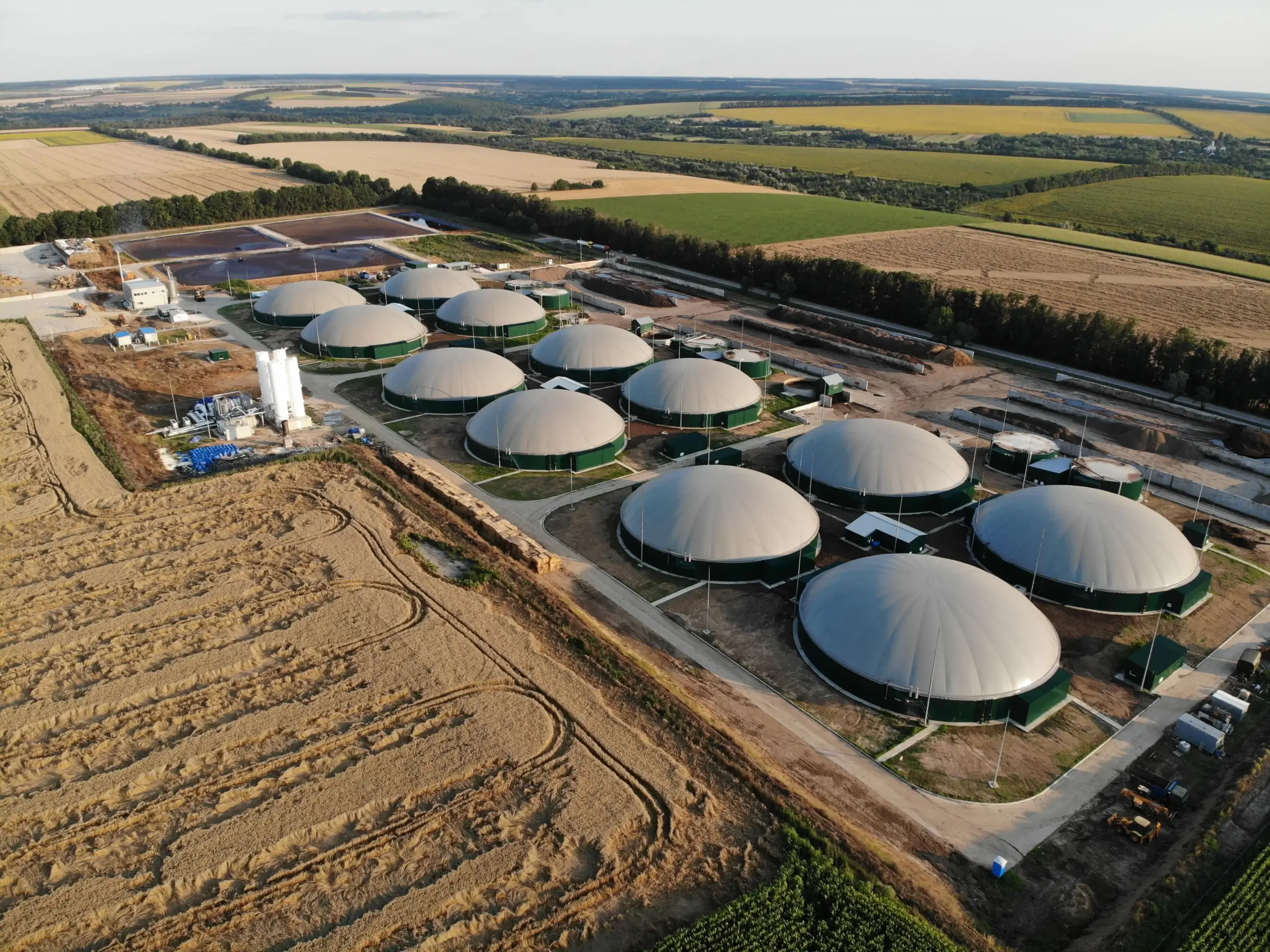
 

UK Anaerobic Digestion market outlook

There is significant opportunity for the development of new AD infrastructure in the UK.

The UK currently upgrades and injects approximately 7TWh of biomethane into the gas grid. However, the National Energy System Operator (NESO) Future Energy Scenarios: Pathways to Net Zero (2025) report sets out the need for a minimum of 64TWh of biomethane supply in the energy system by 2050. Furthermore, the Green Gas Taskforce estimates that there are sufficient sustainable feedstocks in the UK to generate 50 TWh of biomethane per annum by 2030, rising to 120 TWh by 2050.

The proposed regulations to extend the GGSS application deadline provide a strong positive market signal and help to build confidence among AD developers and investors. Extending the scheme reduces the commercial risks associated with financing new AD facilities by maintaining long-term tariff guarantees that give greater certainty over future revenue streams and project viability.


How can WRM help?

WRM supports new and existing AD projects through:

  • techno-economic due diligence, assessing technical design, feedstock, operational performance, and financial assumptions to strengthen project feasibility;
  • planning & permitting support, including preapplication engagement and development of full applications;
  • practical assistance with GGSS applications, including preparing evidence for Stages 1–3 and managing submission requirements to help projects meet eligibility criteria and secure tariff guarantees; and,
  • GGSS audit support to ensure facilities meet ongoing sustainability and compliance requirements.

For further information on how WRM can support your AD project, including due diligence, GGSS applications, and audit compliance, please contact our team.